Synthesizing Player Feedback Loops with Secure Transfer Protocols to Optimize Engagement Cycles in Portable Interactive Reels
Viktor Werner · Aug 17, 2026

Synthesizing Player Feedback Loops with Secure Transfer Protocols to Optimize Engagement Cycles in Portable Interactive Reels
Portable interactive reels represent a specialized segment of mobile gaming platforms where reel-based mechanics combine with real-time user inputs to create dynamic sessions, and researchers have examined how feedback loops integrate with secure transfer protocols to refine those engagement patterns over extended periods.
Core Components of Feedback Integration
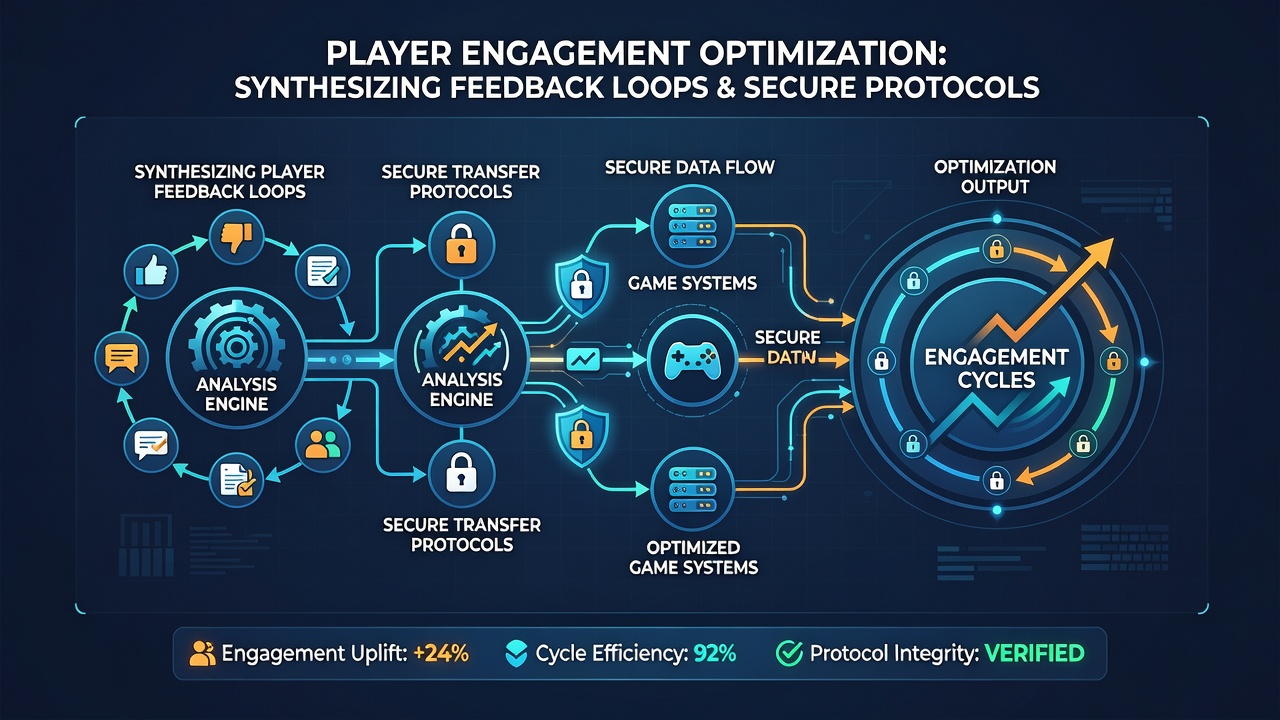
Player feedback loops operate through continuous data collection from session metrics such as spin frequency, pause durations, and selection patterns, while secure transfer protocols handle the encryption and routing of that information between devices and central servers without interruption. Studies conducted across multiple jurisdictions show that these elements work together when protocols employ end-to-end encryption standards that maintain low latency, allowing adjustments to reel behavior or bonus triggers based on aggregated inputs rather than isolated events.
Industry reports indicate that operators began testing such combined systems in controlled environments during 2024, with expansion noted through 2025, and projections for broader deployment by August 2026 focus on standardized application programming interfaces that link feedback collection directly to protocol layers responsible for transaction verification and session continuity.
Protocol Standards and Data Handling
Secure transfer protocols in this context rely on frameworks that include tokenization for user identifiers and real-time authentication checks, according to guidelines from the Nevada Gaming Control Board, which outline requirements for protecting player data during mobile transmissions. These protocols support feedback loops by enabling rapid validation of inputs before they influence reel configurations, reducing the risk of desynchronization that could disrupt engagement cycles.
One study released by the University of Nevada, Las Vegas examined over 2,000 mobile sessions and found that systems incorporating both feedback aggregation and protocol-level security recorded higher rates of sustained play intervals compared to those using separate handling methods. The research highlighted how encrypted channels allow operators to process preference signals without exposing raw session details, thereby supporting iterative refinements to reel payout structures or visual pacing.
Optimization of Engagement Cycles
Engagement cycles in portable interactive reels encompass sequences from initial login through repeated interactions and eventual session conclusion, and synthesis of feedback with secure transfers aims to shorten response times between user actions and system adaptations. Data from gaming technology conferences in early 2026 points to reductions in average cycle completion times when protocols incorporate machine learning models trained on anonymized feedback streams, resulting in reel adjustments that align more closely with observed player behaviors across geographic regions.
Canadian regulatory updates from the Alcohol and Gaming Commission of Ontario have required documentation of protocol audits that verify feedback integration does not compromise transaction integrity, and similar measures appear in draft proposals from the Australian Communications and Media Authority for mobile gaming applications. Observers note that these requirements encourage developers to embed verification steps within feedback processing pipelines, ensuring that engagement optimizations remain traceable and compliant with cross-border data standards.
Implementation Examples in Mobile Environments
Developers have applied these combined approaches in several commercial titles released after mid-2025, where reel mechanics adapt based on aggregated signals such as preferred bet sizes or feature activations while maintaining protocol compliance during fund movements or account updates. A report from the American Gaming Association details how one operator achieved measurable increases in session retention after implementing a unified system that routes feedback through the same secure channels used for payout confirmations.
Yet implementation varies by platform, with some relying on cloud-based processing clusters that handle both feedback analysis and protocol enforcement simultaneously, whereas others use edge computing nodes on devices to perform initial filtering before transmission. Research indicates that the choice of architecture influences how quickly engagement cycles respond to new data inputs, particularly during peak usage periods when network conditions fluctuate.
Future Directions and Measurement
By August 2026, additional metrics are expected to track the effectiveness of synthesized systems through indicators like cycle completion rates and protocol handshake success percentages, with industry groups planning collaborative benchmarks to standardize evaluation methods. External analyses from research institutions emphasize the role of modular protocol designs that permit feedback components to scale independently while preserving security layers.
Those tracking developments across Europe have referenced work by the European Gaming and Betting Association on interoperability frameworks that could further streamline integration between feedback collection and secure transfers in portable formats.
Conclusion
The synthesis of player feedback loops with secure transfer protocols continues to shape how engagement cycles function in portable interactive reels, supported by evolving standards from regulatory bodies and academic investigations that document performance outcomes across different implementations. Continued monitoring through 2026 will clarify the extent to which these technical alignments sustain operational consistency and data protection in mobile reel environments.