Synergies Among Analytical Critiques, Tiered Incentives, and Access Protocols in Virtual Reel Ecosystems
Greta Simmons · Jul 1, 2026
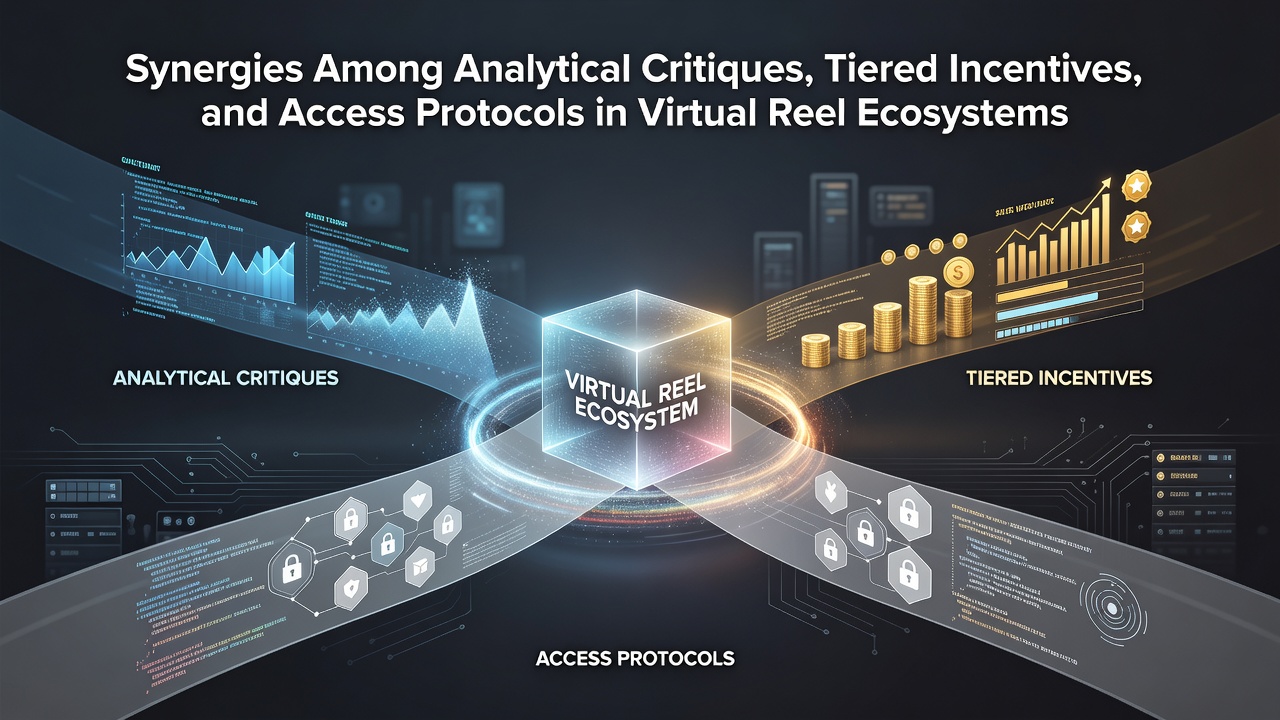
Synergies Among Analytical Critiques, Tiered Incentives, and Access Protocols in Virtual Reel Ecosystems
Virtual reel ecosystems operate through interconnected systems where analytical critiques, tiered incentives, and access protocols interact on digital platforms that deliver slot-based entertainment, and these components create measurable operational efficiencies when aligned properly. Industry data from 2025 shows that platforms integrating player feedback mechanisms with structured reward ladders and secure entry systems experience higher retention rates across multiple regions, according to reports compiled by the American Gaming Association.
Defining the Core Components in Virtual Reel Systems
Analytical critiques encompass structured evaluations of game mechanics, payout distributions, and user interface performance that operators and third-party analysts generate on a regular basis. Tiered incentives consist of graduated reward structures that escalate benefits such as bonus multipliers or exclusive game access based on accumulated play volume or deposit thresholds. Access protocols include authentication layers, payment gateway integrations, and compliance checkpoints that regulate entry to these environments while maintaining data security standards.
These elements do not function in isolation because feedback from performance reviews directly shapes how incentive programs scale across player segments, while access rules determine which tiers remain available under varying regulatory conditions. Research conducted at the University of Nevada, Reno, indicates that platforms adjusting incentive structures in response to critique data achieve more consistent engagement metrics during periods of high traffic.
Interactions Between Critiques and Incentive Structures
Critique data collected through player surveys and algorithmic monitoring informs the calibration of tiered programs, allowing operators to refine bonus thresholds and reward frequencies. In July 2026, several platforms incorporated findings from quarterly performance audits into revised VIP ladders that now tie higher-tier access to verified play patterns rather than deposit volume alone. This adjustment stems from patterns observed in earlier datasets where unbalanced incentives led to accelerated player churn after initial reward periods expired.
Those who track these systems note that analytical input helps prevent incentive dilution, where too many low-value rewards reduce perceived program value. Data compiled by the Australian Gambling Research Centre reveals that ecosystems using critique-driven incentive updates maintained steadier progression rates through reward tiers compared to static models that ignored review inputs.
Access Protocols as Enablers of Tiered Participation
Access protocols establish the technical and regulatory gateways that determine eligibility for specific incentive levels, incorporating identity verification, transaction limits, and jurisdictional compliance checks. These protocols create the framework within which tiered incentives operate because players must satisfy authentication and funding requirements before progressing through reward structures. When protocols integrate seamlessly with incentive tracking systems, transitions between tiers occur without interruption, supporting continuous engagement across sessions.

Platforms that synchronize protocol updates with critique findings demonstrate improved compliance outcomes, particularly when regulatory changes occur. Figures from the Nevada Gaming Control Board show that operators who aligned their access frameworks with player behavior analyses recorded fewer account restriction incidents during the first half of 2026.
Measured Synergies Across the Three Elements
The combined operation of critiques, incentives, and protocols produces feedback loops that stabilize ecosystem performance over time. Analytical outputs identify friction points in access procedures that might otherwise block players from reaching higher incentive tiers, while incentive data highlights which protocol features require adjustment to accommodate growing user volumes. This interconnected dynamic allows operators to implement targeted modifications rather than broad system overhauls.
Case examples from European operators illustrate how critique-informed protocol refinements enabled smoother progression through incentive tiers during peak usage periods in early 2026. Observers note that these adjustments correlated with reduced support ticket volumes related to access delays and reward qualification issues.
Regional Variations in Implementation
Different jurisdictions apply distinct emphases to these synergies based on local regulatory priorities. North American platforms tend to prioritize access protocol robustness when scaling incentive programs, whereas Asia-Pacific operators focus more on critique integration to fine-tune tier benefits for diverse player demographics. Data aggregated across these markets shows that ecosystems balancing all three components report more uniform retention across geographic user bases.
Conclusion
The interplay among analytical critiques, tiered incentives, and access protocols forms a functional architecture that supports sustained operation of virtual reel ecosystems. Evidence from multiple regulatory and academic sources demonstrates that coordinated development of these elements produces measurable improvements in platform stability and user progression metrics. As industry practices evolve through 2026 and beyond, continued alignment of feedback mechanisms with reward structures and entry systems remains central to maintaining operational coherence across virtual reel environments.