Support Networks Shaping Layered Incentive Access Across Digital Reel Formats
Greta Simmons · Jul 18, 2026
Support Networks Shaping Layered Incentive Access Across Digital Reel Formats
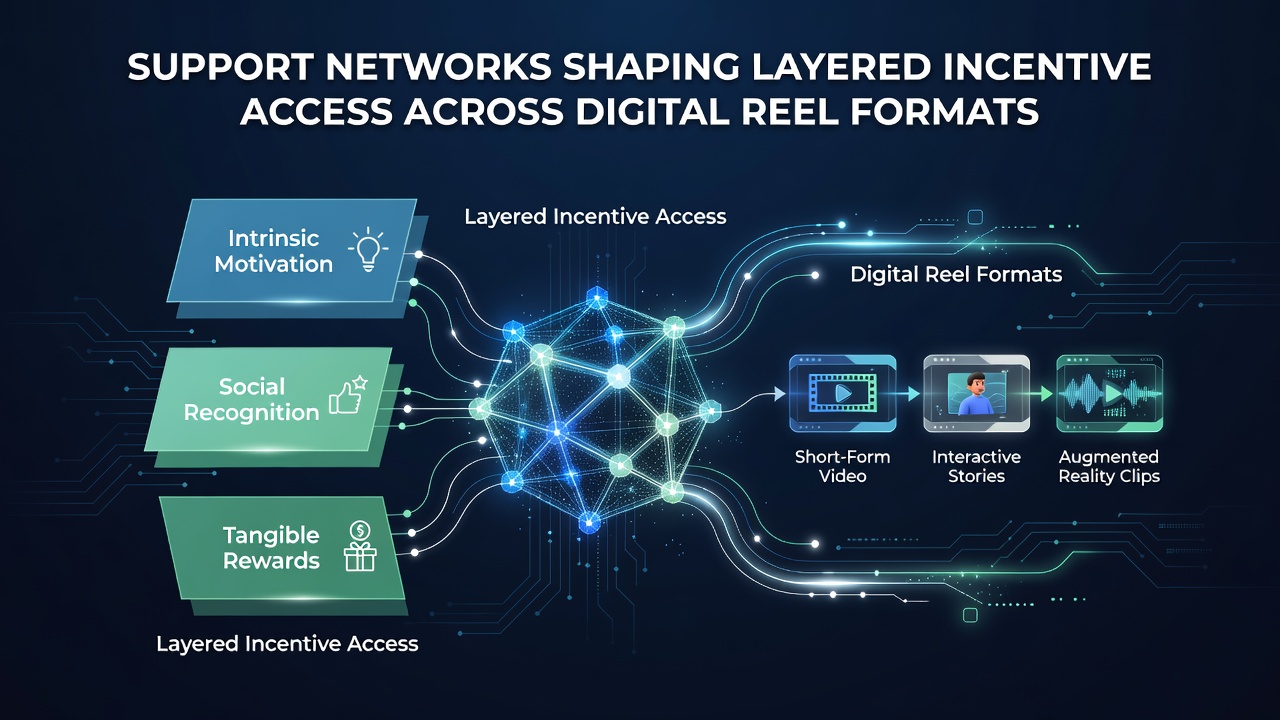
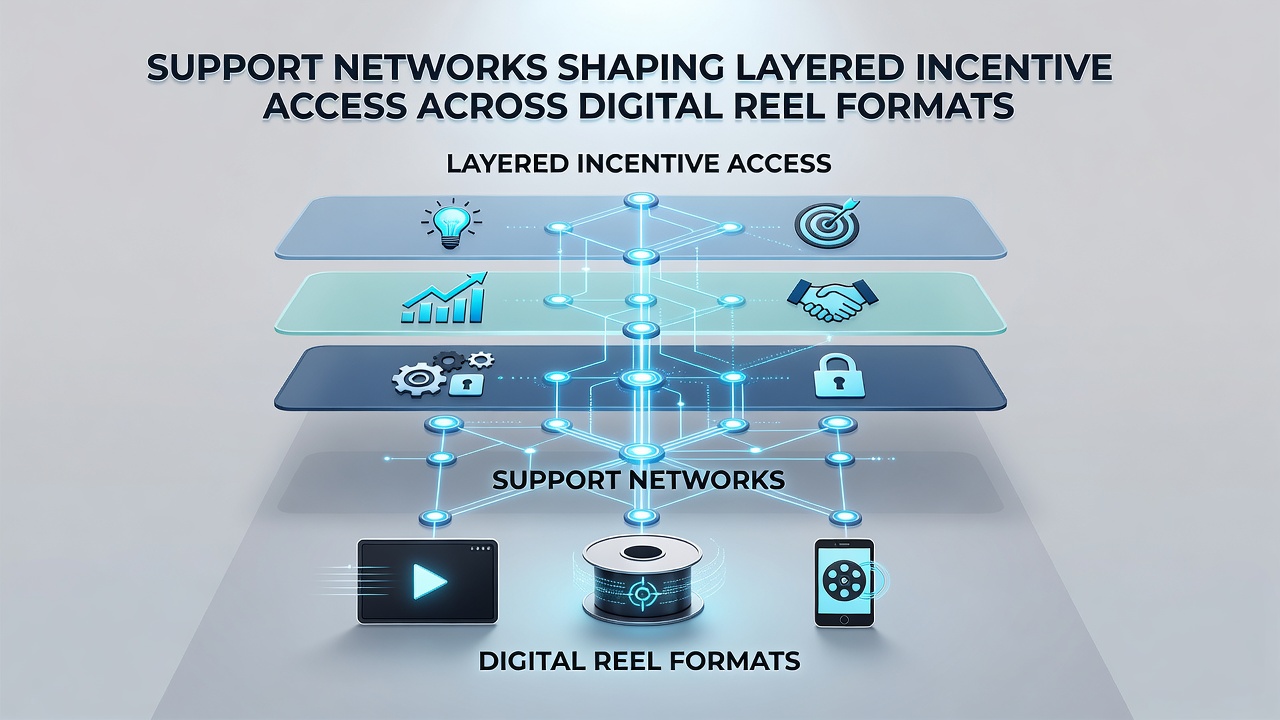
Support networks in digital reel environments consist of dedicated help desks, live chat systems, and dedicated account managers that guide users through multi-tiered incentive programs, and these teams coordinate access protocols across free spin allocations, deposit match structures, and loyalty progression pathways. Data from industry analyses show that operators deploy these networks to standardize how players qualify for successive reward layers, while regulatory frameworks in multiple jurisdictions require clear documentation of eligibility criteria before incentives activate. Operators structure incentive layers so that initial access often depends on straightforward deposit actions, yet subsequent tiers incorporate wagering thresholds and time-bound conditions that support personnel explain in real time. Research indicates players who engage support channels early in their session demonstrate higher completion rates for bonus cycles, because representatives clarify rollover calculations and game weighting rules that determine progression. In July 2026 several platforms introduced automated ticketing systems integrated with live agents, allowing faster resolution of disputes over incentive stacking limits.Mechanics of Incentive Layering in Reel Formats
Digital reel platforms organize rewards into sequential bands where each band unlocks after prior conditions are met, and support staff maintain databases that track individual player status across these bands. When users encounter barriers such as pending verification holds or region-specific restrictions, agents reference jurisdiction-specific rules to restore access pathways. Figures from the Interactive Ontario reports reveal that over 60 percent of bonus-related inquiries in the first half of 2026 involved clarification of layer-specific playthrough requirements rather than technical issues.
Support networks also enforce responsible gaming parameters that intersect with incentive access, for instance by pausing bonus activation when self-exclusion flags appear in player profiles. This coordination prevents unintended accumulation of layered rewards while still permitting users to resume participation once restrictions lift. Observers note that consistent application of these checks across different reel formats reduces discrepancies that previously arose when players switched between desktop and mobile interfaces.
Regional Regulatory Influences on Support Protocols
European regulators outside the United Kingdom have issued guidelines requiring transparent support scripts for explaining incentive hierarchies, and these directives affect how agents describe cashback tiers versus free spin reloads. In Australia the National Consumer Protection Framework mandates that operators log support interactions related to bonus disputes, creating audit trails that demonstrate consistent application of access rules. Canadian provincial frameworks similarly require training modules that equip agents to handle cross-format queries about loyalty point conversions.
One documented case involved a European operator that revised its support workflow after data indicated longer resolution times for players attempting to combine live dealer promotions with standard reel bonuses. After implementing a unified knowledge base accessible to all agents, average handling time for layered incentive queries dropped by 35 percent according to internal metrics shared with the European Gaming and Betting Association. The change allowed representatives to reference both sets of terms simultaneously without transferring callers between specialized teams.
Technology Integration and Agent Training Standards
Modern support platforms incorporate customer relationship management tools that surface real-time incentive status, and agents use these dashboards to walk users through remaining requirements for the next reward layer. Training programs certified by organizations such as the Responsible Gambling Council emphasize neutral language when describing eligibility, avoiding any implication that outcomes are guaranteed. As of July 2026 several major suppliers released updated API endpoints that push incentive status changes directly into chat windows, reducing the need for agents to switch between multiple internal systems.
These technical enhancements also support multilingual access, because automated translation layers now accompany agent responses when players query in languages other than the primary platform language. Data compiled by academic researchers at the University of Sydney indicate that such multilingual support correlates with higher retention among users exploring incentive layers on newly released reel titles.
Future Developments in Network Coordination
Industry reports project continued investment in AI-assisted triage that routes complex layered-incentive questions to human agents while handling routine status checks automatically. This hybrid model aims to maintain regulatory compliance across expanding reel format catalogs, especially as operators introduce cross-game loyalty mechanics that span multiple titles. Support networks therefore function as both informational resources and compliance gatekeepers that shape how players progress through incentive structures.
Conclusion
Support networks remain central to the operational delivery of layered incentives within digital reel environments, because they translate complex eligibility rules into actionable guidance for individual users. Regulatory requirements across multiple regions continue to shape training standards and documentation practices that govern these interactions. As platforms evolve their reel formats and reward structures, the coordination provided by support teams determines the practical accessibility of successive incentive layers for the broader player base.