Service Excellence as the Keystone for Reward Optimization in Interactive Entertainment Platforms: Perspectives from User Analyses
Alex Lange · Aug 3, 2026
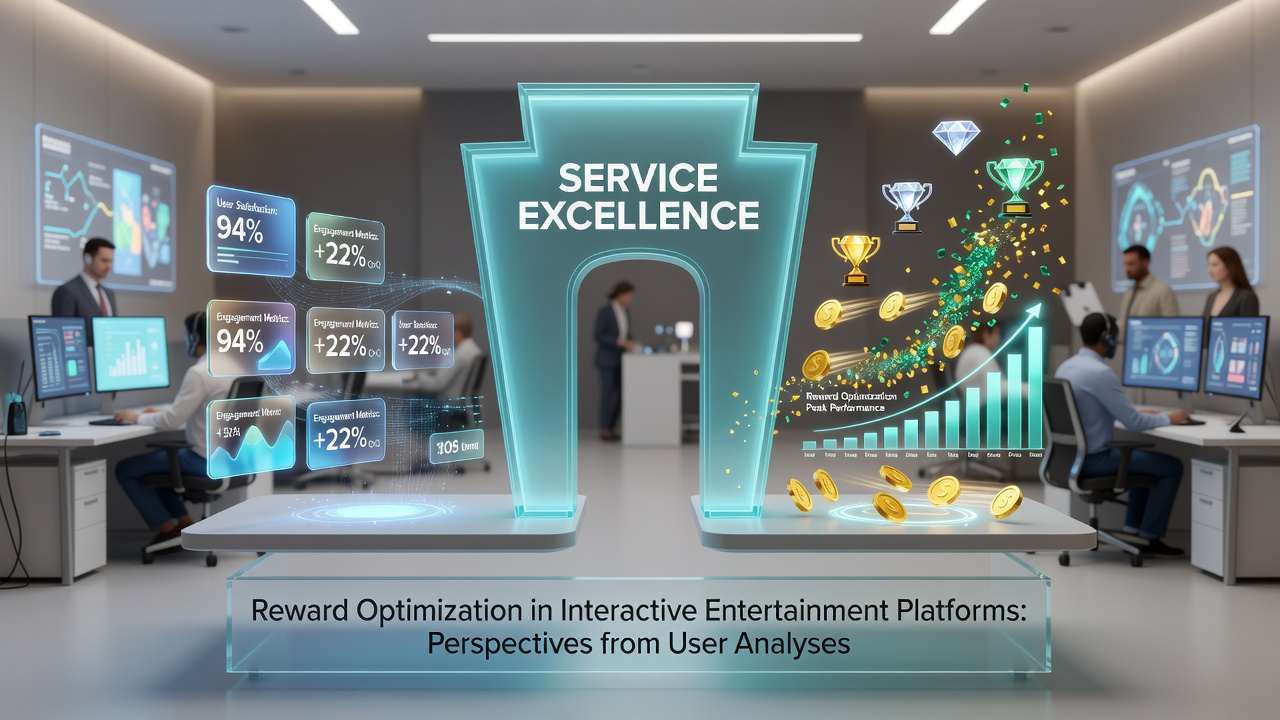
Service Excellence as the Keystone for Reward Optimization in Interactive Entertainment Platforms: Perspectives from User Analyses
Service excellence functions as the central element that ties together reward systems across interactive entertainment platforms, where user analyses consistently highlight correlations between responsive support structures and optimized outcomes for participants. Researchers examining platform data note that when service teams address queries with speed and accuracy, users tend to maintain higher engagement levels that unlock layered reward pathways over extended periods. This dynamic appears in aggregated reports from multiple regions, where metrics track how initial contact resolution rates influence subsequent bonus accumulation and loyalty progression.
Core Elements Driving Service in Digital Platforms
Interactive entertainment environments rely on integrated support channels that combine live chat, email responses, and automated ticketing systems, each calibrated to handle volume spikes during peak hours. Data from user behavior logs shows that platforms maintaining under-three-minute average response times record elevated retention figures compared to slower counterparts. Analysts reviewing these patterns point to seamless handoffs between automated tools and human agents as a factor that preserves momentum in reward cycles, allowing users to progress through tiered programs without interruption. Those studying North American markets observe similar trends in how proactive outreach from service teams, such as personalized status updates, aligns with increased participation in promotional events.
Connections Between Service Quality and Reward Pathways
User analyses reveal direct links where high-quality service interventions coincide with accelerated reward optimization, particularly when agents clarify eligibility rules or expedite verification steps for loyalty benefits. Figures compiled across European platforms indicate that users who receive prompt clarifications on terms achieve completion rates for reward milestones at notably higher percentages. This occurs because service excellence reduces friction points that otherwise stall progress through layered incentive structures. Observers tracking Australian markets report parallel findings, where integrated service dashboards that flag pending rewards help participants claim entitlements before expiration windows close, thereby sustaining overall platform activity.
Insights from Recent User Studies
Comprehensive reviews conducted through 2025 and into 2026 compile survey responses alongside behavioral telemetry, demonstrating that service responsiveness accounts for measurable variance in reward realization rates. A mid-year assessment released in August 2026 by the Gaming Research Institute at the University of Nevada highlighted how platforms incorporating feedback loops from user queries refine their reward algorithms more effectively. University of Nevada gaming research reports detail instances where service logs fed directly into personalization engines, resulting in tailored offers that matched user preferences and boosted redemption volumes. Those examining the datasets note that platforms prioritizing agent training on reward mechanics see fewer disputes and higher satisfaction scores across demographic segments.
Additional patterns emerge when analysts segment data by session length and device type, revealing that mobile users benefit disproportionately from service teams versed in app-specific troubleshooting. This expertise prevents reward forfeitures that stem from technical glitches during live events or time-sensitive promotions. Industry observers tracking platform performance metrics emphasize that consistent service standards across all touchpoints create compounding effects, where early positive interactions encourage deeper exploration of available reward layers.
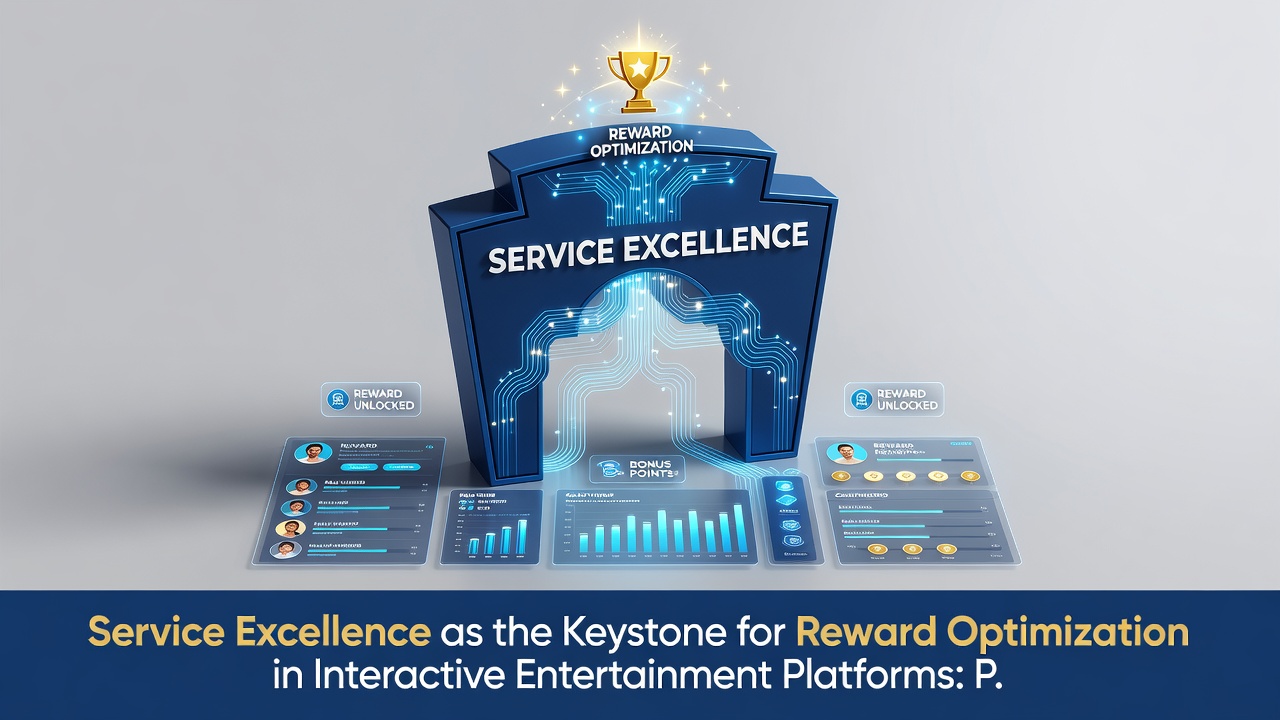
Regional Variations in Implementation
European platforms often integrate service excellence protocols aligned with broader consumer protection frameworks, leading to standardized training modules that emphasize reward transparency. Canadian analyses, by contrast, focus on how regional operators leverage service data to adapt reward structures for seasonal participation shifts. Researchers compiling cross-border comparisons find that while approaches differ, the underlying principle remains constant: service that anticipates user needs correlates with sustained reward access over time. Platforms adopting these methods report steadier growth in active user bases, according to aggregated statistics shared by the European Gaming and Betting Association.
Challenges Identified Through Ongoing Analyses
Despite clear linkages, user studies also surface hurdles such as scaling service capacity during major events without diluting quality. Data indicates that temporary dips in response accuracy coincide with temporary plateaus in reward progression for affected cohorts. Analysts recommend ongoing calibration of service tools against reward system updates to maintain alignment, noting that platforms achieving this balance sustain higher lifetime value metrics per user. Those reviewing longitudinal datasets stress that proactive monitoring prevents service shortfalls from cascading into lost opportunities within reward ecosystems.
Conclusion
Perspectives drawn from extensive user analyses position service excellence as the foundational component enabling reward optimization across interactive entertainment platforms. Evidence from multiple markets demonstrates that responsive, knowledgeable support structures directly facilitate smoother navigation of incentive programs and higher realization of available benefits. As platforms continue refining these integrations through 2026 and beyond, the patterns observed in current datasets suggest continued emphasis on service as the mechanism that unlocks sustained user advancement within reward frameworks.