Navigating Player Insights to Optimize Reward Mechanisms and Transaction Pathways in Interactive Reel Environments
Alex Lange · Oct 24, 2026
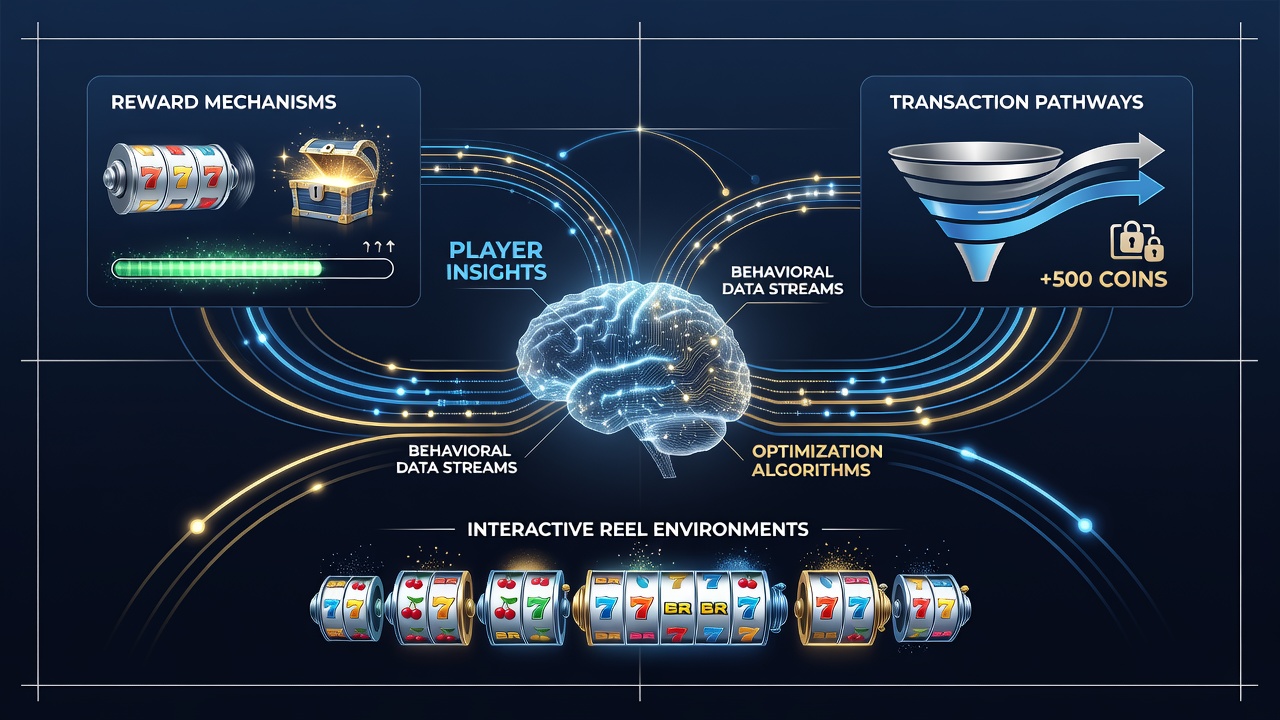
Navigating Player Insights to Optimize Reward Mechanisms and Transaction Pathways in Interactive Reel Environments
Interactive reel environments rely on detailed player data to shape reward systems and streamline transaction processes, and operators collect behavioral metrics that include session duration, spin frequency, and deposit patterns to identify engagement trends. Researchers at institutions such as the University of Nevada's International Gaming Institute have documented how these datasets allow platforms to adjust bonus structures without disrupting user flow, while transaction pathways benefit from real-time analysis that reduces processing delays. As of October 2026, many systems incorporate predictive models that forecast player preferences based on historical activity, leading to personalized reward offers that align with individual play styles.
Collecting and Interpreting Player Data
Platforms gather information through integrated tracking tools that monitor everything from wager sizes to time spent between spins, and analysts then segment this data into categories such as high-frequency users or those who prefer progressive features. Studies from the iGaming Ontario research series show that segmentation improves the accuracy of reward allocation, because tailored incentives encourage longer sessions without increasing risk exposure. Observers note that privacy-compliant data practices remain essential, since regulatory frameworks in multiple jurisdictions require explicit consent before advanced analytics begin. Those who examine the process find that combining quantitative metrics with qualitative feedback from support interactions creates a fuller picture of player motivations.
Refining Reward Mechanisms Through Insights
Reward mechanisms evolve when operators apply clustering techniques to group similar player profiles, and this approach enables the delivery of targeted free spin packages or loyalty multipliers that match demonstrated preferences. Data indicates that platforms using these methods achieve higher retention rates because rewards appear at optimal moments during play cycles. Experts have observed that dynamic adjustment of bonus thresholds based on real-time behavior prevents over-distribution while maintaining perceived value, and case examples from European operators illustrate how seasonal campaigns respond to shifts in player activity detected through ongoing monitoring. The process involves iterative testing where small changes to reward parameters are evaluated against control groups to measure impact on engagement metrics.
Streamlining Transaction Pathways
Transaction pathways gain efficiency when insights reveal common friction points such as verification delays or preferred payment method drop-offs, and operators respond by prioritizing integrations that support instant processing for verified accounts. Research from the Australian Communications and Media Authority highlights that faster withdrawal times correlate with sustained player activity across multiple sessions, because reduced wait periods encourage repeat deposits. Systems now employ automated flagging for unusual patterns, which allows support teams to intervene before issues escalate into abandoned transactions. People who review platform logs discover that linking transaction data to reward eligibility creates seamless experiences where successful deposits trigger immediate bonus credits without manual intervention.
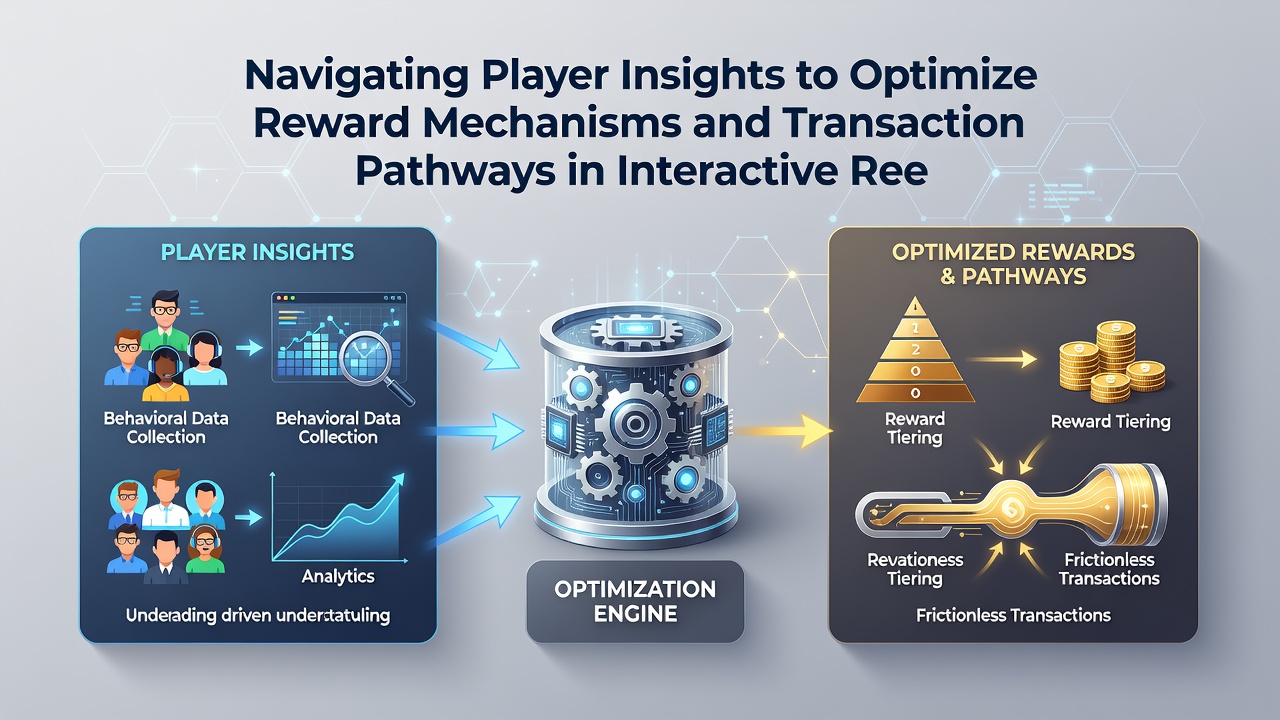
Balancing Personalization With Regulatory Compliance
Regulatory requirements across regions demand transparent use of player insights, and operators must document how data informs both rewards and transactions to satisfy audit standards. Those who track developments note that frameworks established before October 2026 continue to emphasize responsible gaming features that integrate directly with reward algorithms, preventing offers from reaching players who have set spending limits. Industry reports reveal that compliance teams collaborate with data scientists to embed safeguards into optimization models, ensuring that personalization does not override player-set boundaries. This coordination produces environments where rewards enhance enjoyment while transaction pathways maintain security protocols that protect account integrity.
Future Directions in Data-Driven Optimization
Emerging technologies such as machine learning models promise further refinement of player segmentation, and early implementations already demonstrate improved prediction of reward redemption rates. Analysts project that by late 2026 additional jurisdictions will adopt standardized reporting on how insights influence transaction success, creating benchmarks that operators can use for internal comparisons. Observers point to successful pilots where cross-platform data sharing, conducted under strict consent rules, expanded reward options without compromising individual privacy. These advancements build on existing practices that connect behavioral analysis directly to operational adjustments in reel environments.
Conclusion
Player insights serve as the foundation for optimizing reward mechanisms and transaction pathways in interactive reel environments, and the integration of analytical tools with operational decisions continues to evolve under regulatory oversight. Data from multiple sources confirms that targeted approaches improve engagement metrics while maintaining compliance standards, and platforms that invest in these capabilities position themselves for sustained performance. The ongoing refinement of these processes reflects broader industry movement toward evidence-based management of player experiences.