Feedback Integration in Gaming Ecosystems: Linking Assessments, Assistance, and Advancement Programs for Reel Enthusiasts on Mobile Platforms
Greta Simmons · Aug 8, 2026
Feedback Integration in Gaming Ecosystems: Linking Assessments, Assistance, and Advancement Programs for Reel Enthusiasts on Mobile Platforms
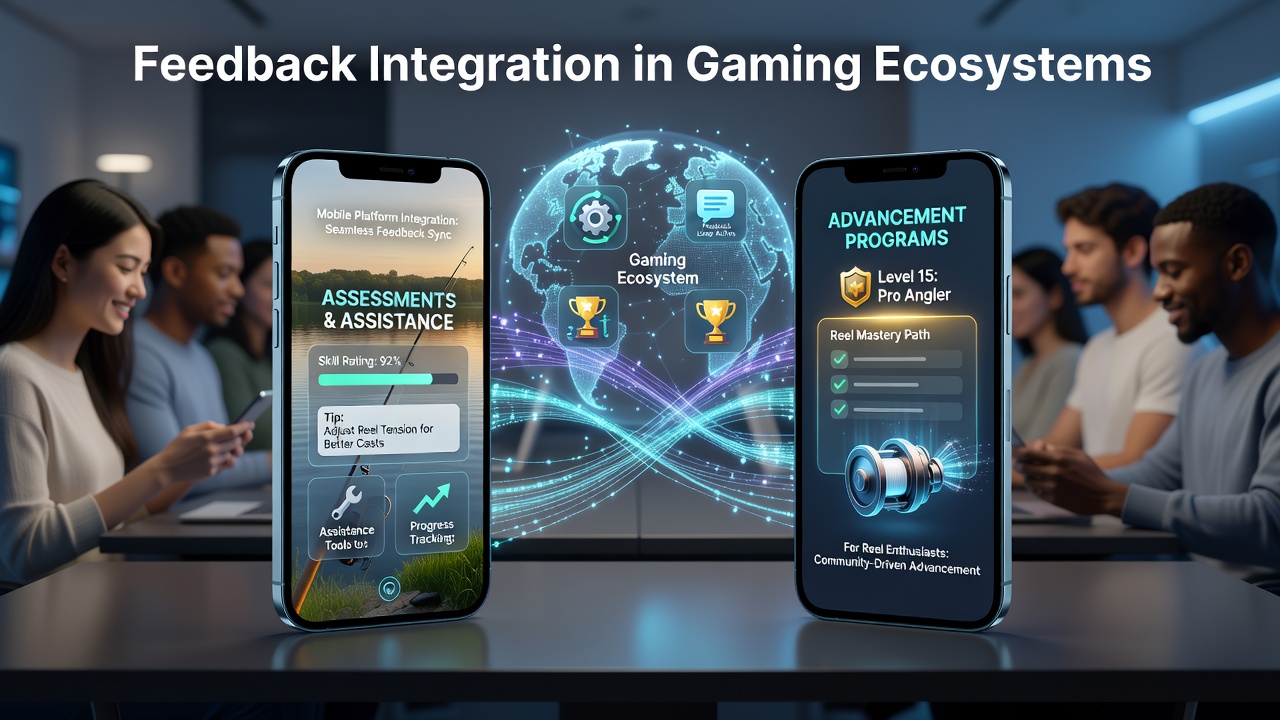
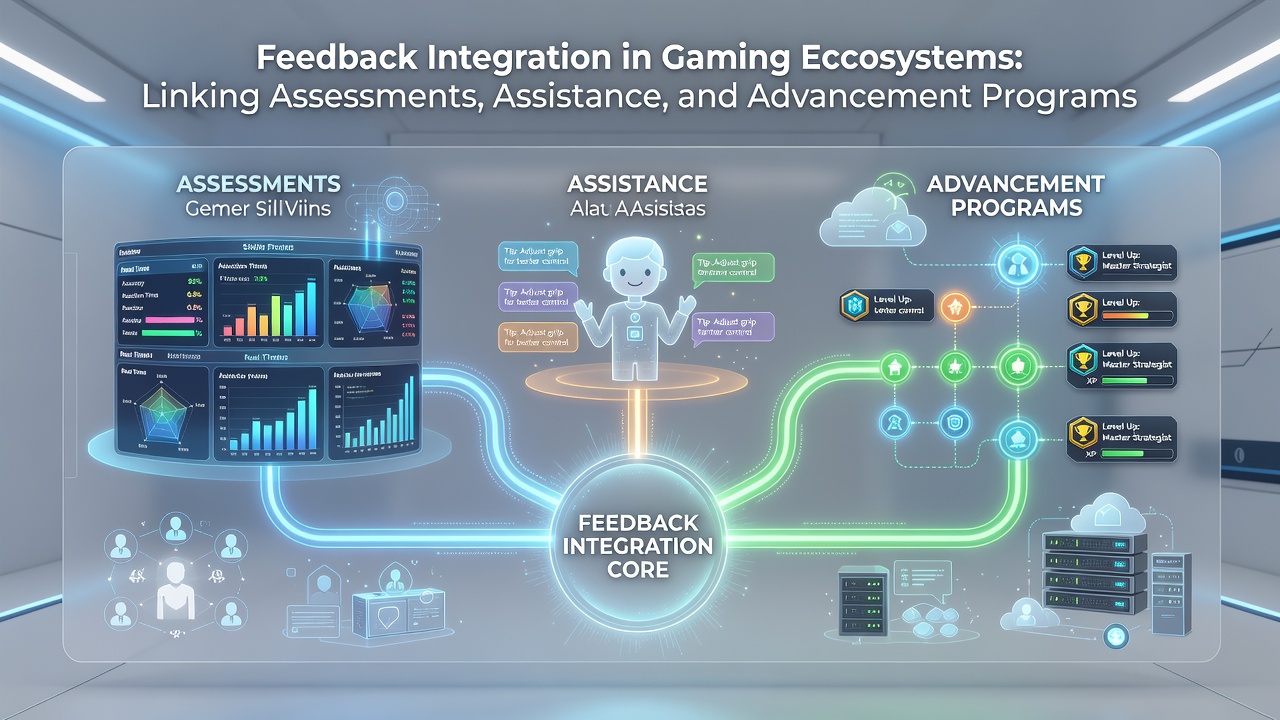
Feedback integration in gaming ecosystems connects player assessments with assistance services and advancement programs on mobile platforms, creating structured pathways that link reviews directly to support responses and loyalty progression. Data from regulatory bodies shows this process operates through dedicated in-app systems where reel enthusiasts submit evaluations after sessions, and those inputs feed into automated and manual assistance protocols while also updating advancement metrics.
Assessment Collection Mechanisms on Mobile Platforms
Reel enthusiasts on mobile devices encounter structured assessment prompts at session end or during key milestones, and these prompts capture ratings on game mechanics, bonus frequency, and interface responsiveness while allowing open text entries for specific observations. Industry reports indicate that platforms route these assessments into centralized databases, and analysts then categorize entries by theme such as payout patterns or navigation issues before forwarding relevant details to assistance teams. In August 2026, aggregated figures from multiple operators revealed that mobile sessions generated over 40 percent more assessment submissions compared with desktop equivalents, a pattern attributed to the convenience of quick-tap interfaces and push notification reminders.
Linking Assessments to Assistance Services
Assistance programs receive direct feeds from assessment data, and this connection allows support agents to prioritize queries based on recurring themes identified across multiple user submissions. When assessments flag technical glitches or unclear bonus terms, assistance protocols trigger targeted responses that include live chat escalation or callback scheduling, and those same assessments update internal knowledge bases used by support staff. Observers note that operators in regions overseen by bodies such as the Nevada Gaming Control Board maintain audit trails documenting how each assessment influences response times and resolution outcomes, while similar frameworks appear in Canadian provincial systems where player protection offices require evidence of feedback-driven service improvements.
Advancement Programs and Feedback Loops
Advancement programs incorporate assessment scores and assistance interaction records into tier progression algorithms, and participants who provide detailed evaluations often see accelerated movement through loyalty levels because platforms weight constructive input as an engagement indicator. Research from academic gaming studies at institutions such as the University of Nevada, Las Vegas demonstrates that reel enthusiasts who complete post-session assessments receive priority access to personalized bonus structures, and those structures adjust dynamically based on assistance history to reflect patterns of reported satisfaction or concern. External industry analyses further show that operators publish aggregated advancement data quarterly, allowing participants to track how feedback volume correlates with reward eligibility without disclosing individual account details.
Technical Infrastructure Supporting Integration
Mobile gaming ecosystems rely on API connections between assessment modules, assistance ticketing systems, and advancement dashboards, and these connections operate in real time so that a single submission can simultaneously update support queues and loyalty point balances. Platform developers implement encryption standards for data transmission, and compliance requirements from various jurisdictions mandate that all feedback records remain accessible for regulatory review periods extending up to five years. Those who've examined system architectures report that machine learning classifiers sort incoming assessments by urgency level before routing them, which reduces average response intervals for time-sensitive issues such as payment disputes while routing general comments into trend analysis pipelines.
Regional Regulatory Approaches to Feedback Systems
Regulatory frameworks across different regions establish minimum standards for feedback integration, and authorities in Australia require operators to demonstrate how player assessments inform both assistance improvements and advancement transparency measures. In contrast, certain European oversight bodies emphasize independent audits of data flows between assessment collection points and loyalty program adjustments, ensuring that advancement criteria remain clearly linked to documented player input rather than opaque algorithms. Data published by the Australian Communications and Media Authority in mid-2026 highlighted a 22 percent increase in reported satisfaction scores among mobile users whose assessments had triggered documented assistance interventions, illustrating measurable outcomes from integrated systems.
Conclusion
Feedback integration continues to evolve through tighter connections between assessments, assistance, and advancement components within mobile gaming ecosystems, and ongoing regulatory developments ensure that these linkages remain auditable and responsive to player input patterns observed through August 2026 and beyond. Operators maintain these structures to align operational processes with compliance expectations while delivering measurable progression opportunities for reel enthusiasts who engage with the integrated feedback pathways.