Evaluation Frameworks Guiding Incentive Pathways in Cross-Platform Reel Play with Integrated Services
Greta Simmons · Jul 15, 2026
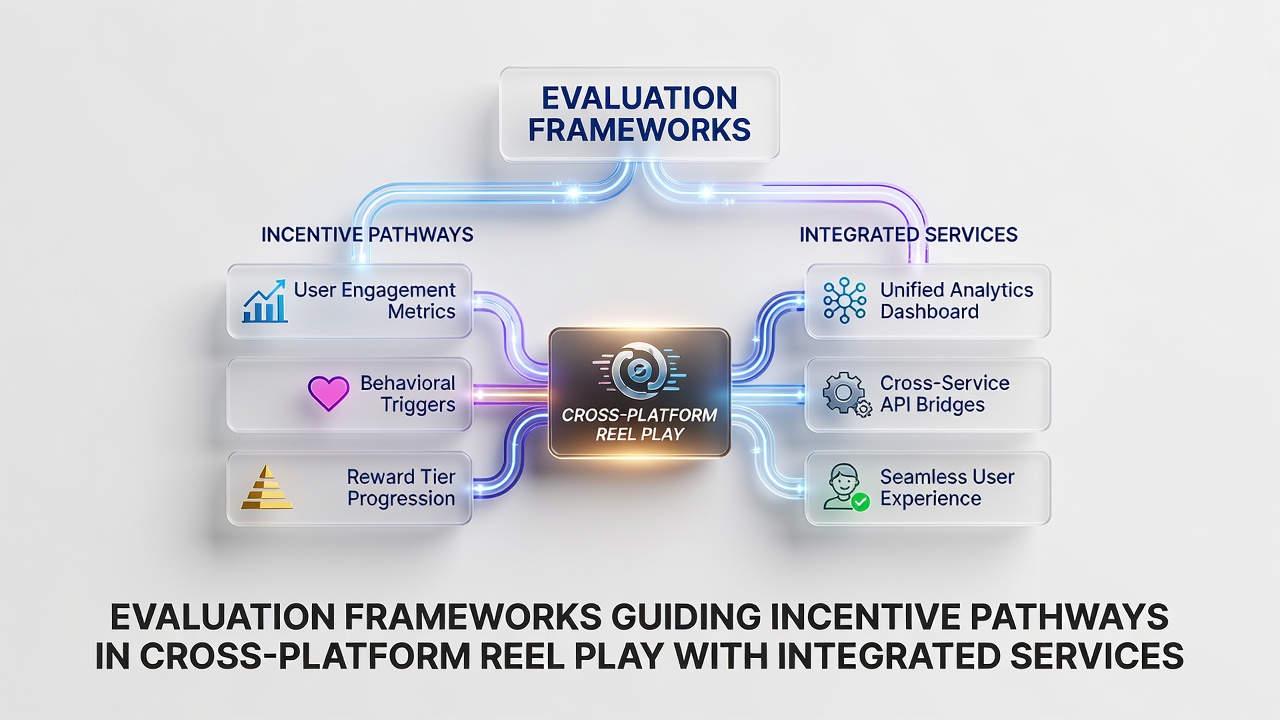
Evaluation Frameworks Guiding Incentive Pathways in Cross-Platform Reel Play with Integrated Services
Evaluation frameworks provide structured methods for assessing how incentives operate across multiple platforms in reel play environments that incorporate integrated services such as payment processing, loyalty tracking, and support systems. Researchers have identified several core components that guide these frameworks, including performance metrics, user engagement indicators, and compliance benchmarks. Data from industry analyses show that operators apply these structures to align rewards with player activity patterns observed on mobile, desktop, and web interfaces simultaneously.
Core Elements of Evaluation Frameworks
Frameworks typically begin with the definition of clear objectives that connect incentive design to measurable outcomes in reel play scenarios. Metrics often encompass redemption rates for bonuses, retention intervals following reward distribution, and cross-platform consistency in service delivery. Studies indicate that organizations monitor these elements through centralized dashboards that aggregate information from diverse device types and integrated backend systems. In practice, evaluators examine how incentives influence session duration and frequency while accounting for variables like network latency and interface responsiveness.
Another key aspect involves the mapping of incentive pathways, which trace the sequence from initial reward eligibility through to fulfillment and follow-up engagement. Frameworks require documentation of each stage to identify potential friction points where players might abandon the process. Observers note that successful implementations use automated logging tools to capture timestamps and user actions across platforms, enabling precise reconstruction of pathway performance. This approach allows for adjustments based on empirical patterns rather than isolated observations.
Cross-Platform Considerations in Framework Application
Cross-platform reel play introduces specific variables that frameworks must address, such as synchronization of player progress and reward availability between devices. Evaluation protocols incorporate tests that verify seamless transitions, including preservation of bonus balances and VIP status during switches from mobile to desktop sessions. Reports from 2025 highlight that operators who implement these protocols achieve higher consistency in incentive delivery, with figures revealing reduced discrepancies in reward tracking across operating systems.
Frameworks also evaluate the role of device-specific features, including push notifications on mobile and browser-based alerts on desktop, to determine their impact on incentive uptake. Analysts examine data sets that compare engagement levels when players receive prompts through one channel versus multiple synchronized channels. Those who've examined large-scale datasets find that integrated notification systems tend to produce more uniform response rates when calibrated according to framework guidelines.
Integration of Services Within Incentive Structures
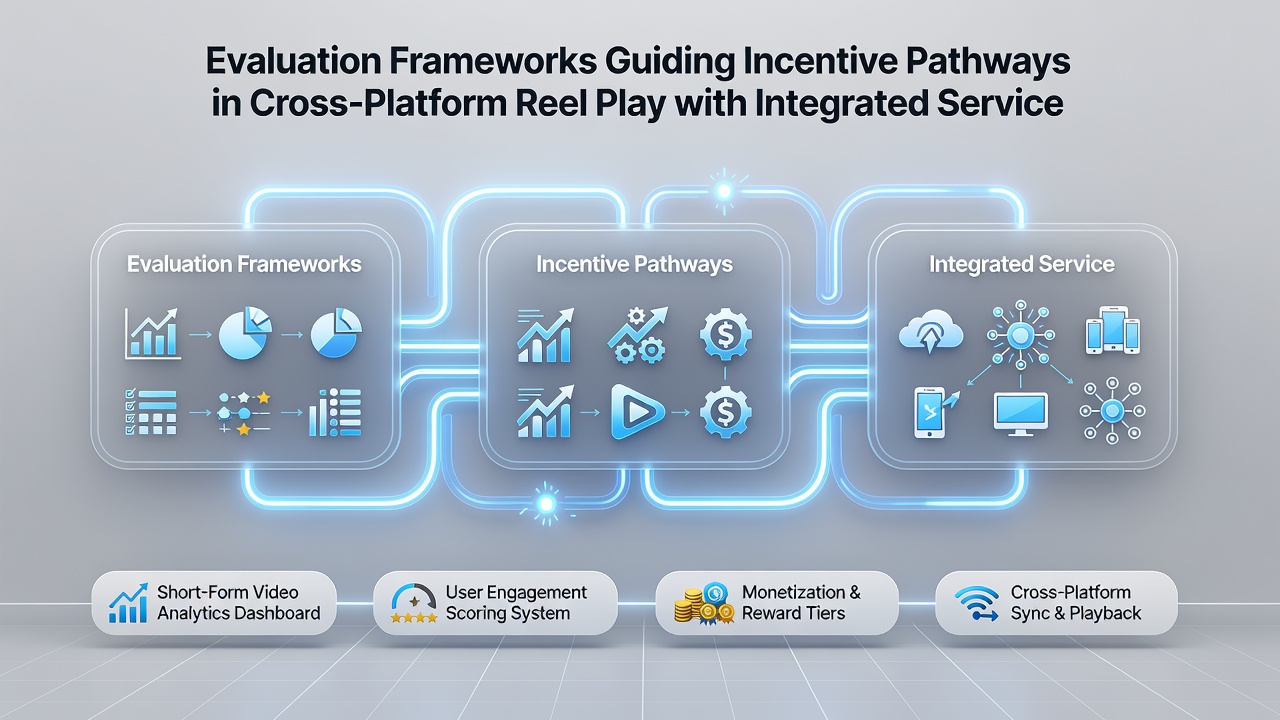
Integrated services form the operational backbone that frameworks assess for reliability and efficiency. Payment gateways, customer support modules, and analytics engines connect directly to incentive distribution mechanisms, creating interdependent pathways that require holistic evaluation. Frameworks specify criteria for testing these connections, such as transaction success rates during bonus redemptions and response times for support queries related to reward eligibility. Evidence from operational reviews shows that delays in any one service can cascade through the entire incentive pathway, affecting overall player progression.
Evaluators apply scoring systems to rate integration quality, with higher scores assigned when services demonstrate real-time data exchange and minimal downtime. In July 2026, updates to industry reporting standards emphasized the inclusion of service-level agreements as mandatory inputs within evaluation models, reflecting observed correlations between robust integrations and sustained incentive pathway performance. Organizations reference these updated models to benchmark their systems against aggregated sector data.
Application in Regulatory and Operational Contexts
Regulatory bodies in various regions have adopted elements of these frameworks to monitor compliance with incentive-related guidelines. For instance, assessments conducted by the Australian Gambling Research Centre incorporate metrics that evaluate transparency in reward communication and fairness in cross-platform access. Similar approaches appear in reports issued by Canadian provincial regulators, where evaluators track how integrated services support responsible play features alongside promotional incentives. These applications demonstrate the adaptability of core framework principles across different jurisdictional requirements.
Operational teams within gaming companies utilize framework outputs to refine incentive offerings on an ongoing basis. One documented case involved a multi-platform operator that adjusted its VIP tier progression after framework analysis revealed platform-specific variations in reward redemption. Adjustments led to standardized criteria that maintained incentive value regardless of access method. Data collected post-implementation indicated improved alignment between player activity and reward distribution across all channels.
Conclusion
Evaluation frameworks continue to evolve as reel play environments expand their integrated service capabilities and cross-platform reach. Current models emphasize comprehensive data collection, pathway mapping, and service integration testing to support consistent incentive performance. As operators respond to emerging standards in 2026 and beyond, these frameworks provide the analytical foundation for maintaining effective incentive structures that function reliably across diverse player access points.