Device Transitions Reshaping Access Patterns to Tiered Incentives and Interactive Table Features in Portable Gaming Ecosystems
Greta Simmons · Jul 22, 2026
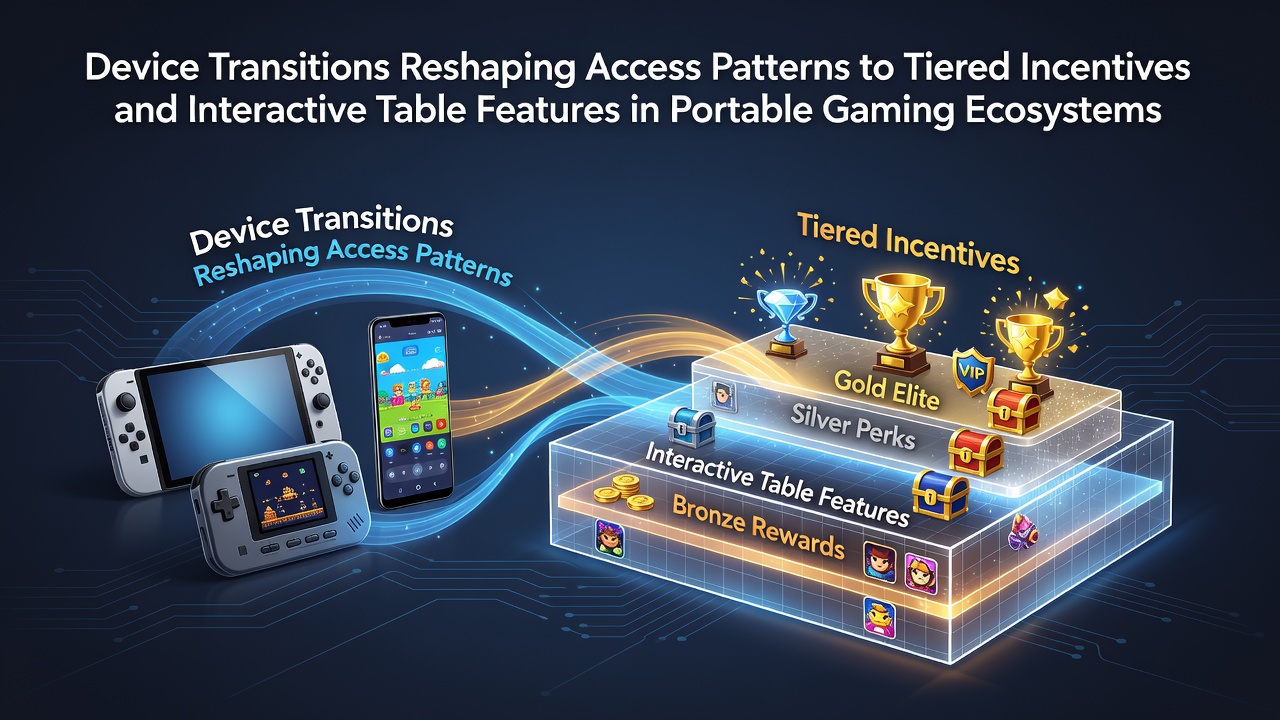
Device Transitions Reshaping Access Patterns to Tiered Incentives and Interactive Table Features in Portable Gaming Ecosystems
Portable gaming has undergone steady evolution as users move between smartphones, tablets, foldable screens, and hybrid devices, and these shifts alter how players reach tiered incentive structures along with interactive table elements embedded in many ecosystems. Data collected across multiple regions shows that session lengths and feature accessibility change when hardware changes occur, since cloud synchronization and cross-device authentication protocols determine whether progress carries over without interruption.
Patterns Emerging from Hardware Shifts
Market tracking conducted through 2025 into July 2026 reveals that players who alternate between compact phones and larger tablets experience different entry points into loyalty ladders, because screen size influences visibility of progress meters and reward notifications. Studies from the Entertainment Software Association indicate that tablet sessions often extend longer than mobile-only play, allowing faster accumulation of points that unlock higher incentive tiers in games supporting seamless handoff.
Observers note that foldable devices add another layer, since their expandable displays permit simultaneous viewing of table interfaces alongside inventory or reward panels, and this capability modifies interaction frequency with live multiplayer tables. Research conducted by academic groups at institutions such as the University of Melbourne has documented increased engagement rates when users switch to devices offering greater surface area during evening hours.
Tiered Incentives and Cross-Device Continuity
Tiered incentive systems rely on consistent tracking of play metrics, yet device transitions introduce variables around data sync speed and authentication methods. When users move from one handset to another without proper cloud linkage, temporary gaps appear in reward eligibility, and industry reports highlight that games employing unified accounts reduce these interruptions substantially. Figures released by the Interactive Games and Entertainment Association demonstrate that ecosystems maintaining persistent profiles across operating systems retain higher retention within mid-level incentive brackets.
Access patterns also reflect differences in payment integration, since some tablets support additional verification layers that streamline entry into premium reward pathways. Those who maintain accounts across multiple device types frequently encounter staggered unlock schedules, because daily login bonuses and milestone rewards recalibrate based on hardware signatures detected during each session start.
Interactive Table Features Under Device Variation
Interactive table components, ranging from strategy boards to real-time multiplayer arenas, respond directly to input methods and display resolutions that differ between phones and tablets. Touch precision varies across hardware generations, and developers adjust gesture recognition accordingly, which in turn affects how quickly participants join or leave table sessions. Reports compiled in mid-2026 show that larger screens correlate with longer dwell times at these tables, since expanded views reveal additional contextual information without requiring menu navigation.
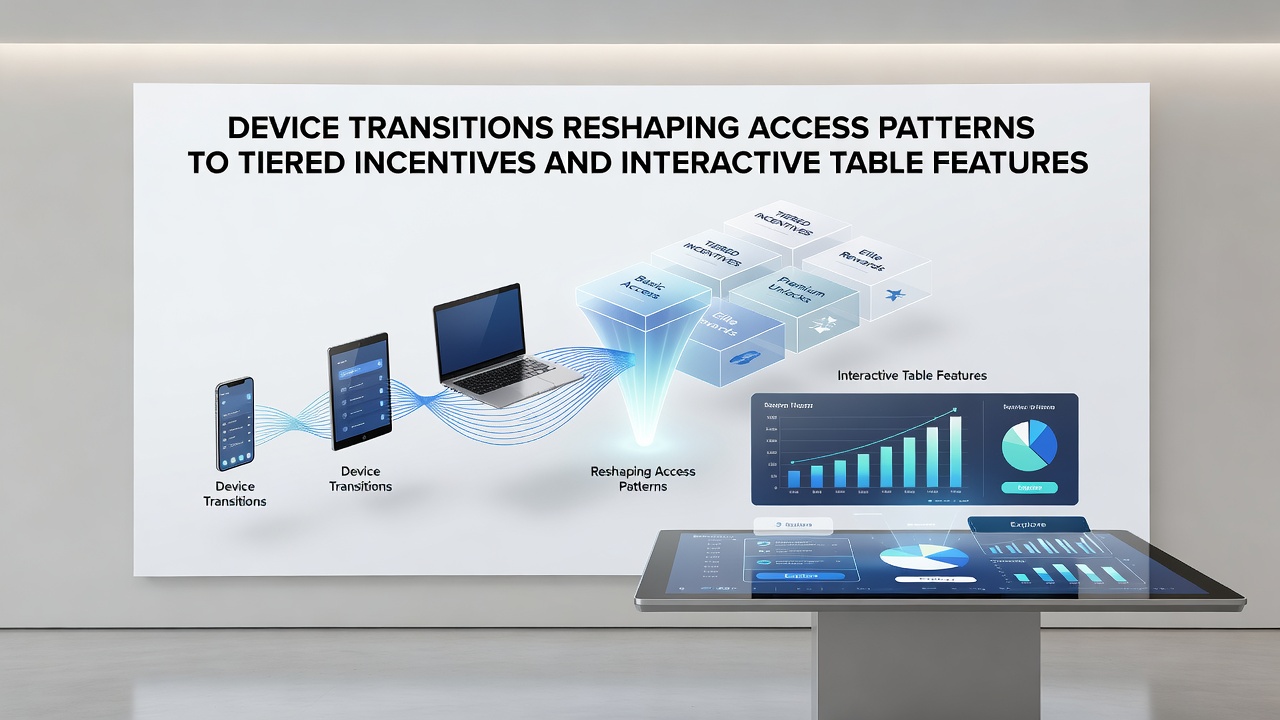
Cloud-based rendering further influences availability, because certain table features activate only when connection stability meets thresholds that mobile networks sometimes fail to sustain during transit. Players who switch to home Wi-Fi via tablets often gain immediate access to advanced table modes, whereas phone users on cellular data encounter restricted functionality until network conditions improve.
Regional Data and Ecosystem Responses
Regional differences appear in how device transitions intersect with incentive access, with Australian regulatory summaries noting higher tablet adoption rates among users aged 25 to 40 and corresponding spikes in tier progression metrics. European industry analyses similarly track increased table feature usage when cross-device continuity protocols receive updates, and these patterns suggest that hardware diversification continues to drive feature prioritization among developers.
Security frameworks also evolve alongside these transitions, since biometric authentication tied to specific devices can either accelerate or delay entry into higher incentive levels depending on whether the new hardware supports matching verification standards. Data compiled through 2026 indicates that ecosystems integrating hardware-agnostic security layers experience fewer access disruptions during device changes.
Conclusion
Device transitions continue to modify access routes to tiered incentives and interactive table features within portable gaming environments, with synchronization quality, screen dimensions, and network conditions acting as primary variables. Reports from multiple organizations confirm that ecosystems adapting to these variables maintain broader participation across hardware types, while those lagging behind encounter measurable drops in engagement during player migrations between devices. As hardware options expand through 2026 and beyond, the interplay between physical form factors and digital reward structures remains a central factor shaping user pathways.