Data Patterns Linking Assistance Responsiveness to Incentive Optimization in Multi-Device Chance Simulations
Greta Simmons · Aug 1, 2026
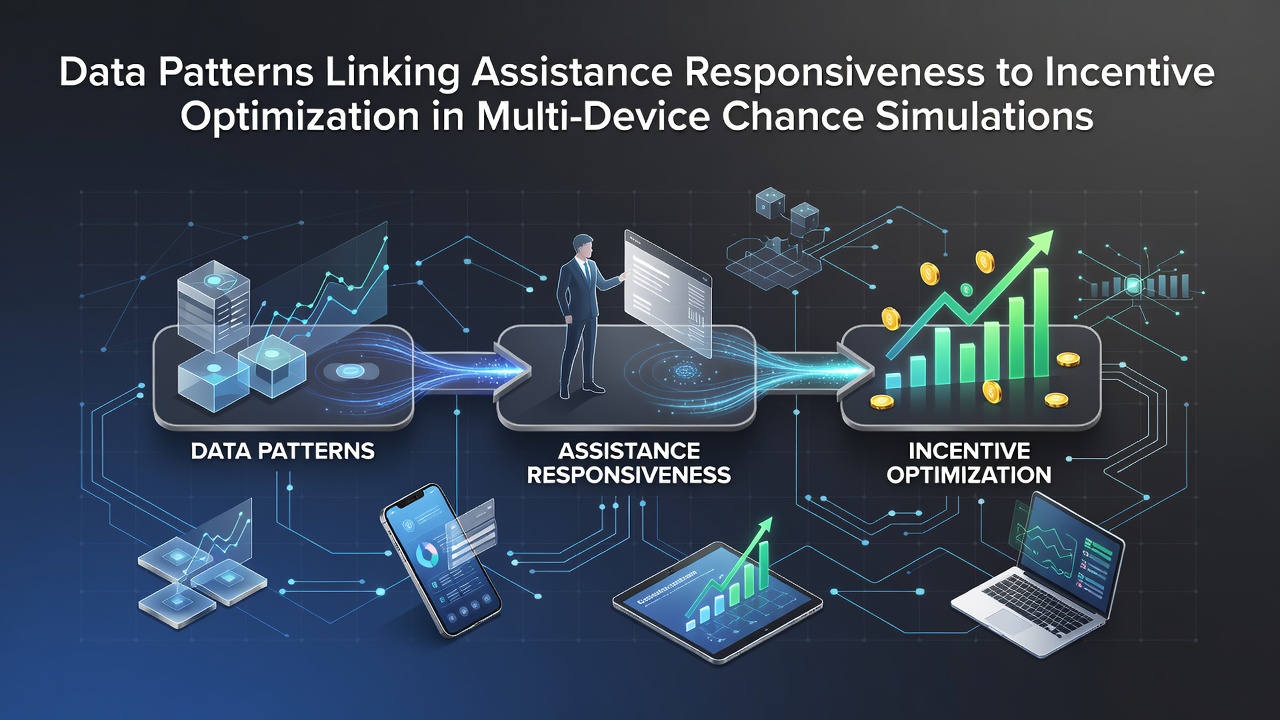
Data Patterns Linking Assistance Responsiveness to Incentive Optimization in Multi-Device Chance Simulations
Multi-device chance simulations have expanded rapidly in recent years, and analysts track how player interactions shift between smartphones, tablets, and desktop platforms during sessions that involve random outcomes and layered reward systems. Data sets collected from these environments reveal consistent connections between the speed of assistance responses and the calibration of incentives such as bonus credits or free-spin allocations. Researchers examining platform logs note that shorter response intervals from support teams often precede measurable improvements in how incentives align with individual player behavior patterns across devices.
Core Components of Multi-Device Simulations
Chance simulations operate through synchronized back-end engines that deliver identical probability structures whether a session begins on a mobile app or continues on a desktop browser, and these systems record device-specific variables including session duration, navigation paths, and interaction frequency. Observers note that players who switch devices mid-session generate distinct data streams that support teams can reference when responding to queries about pending incentives. Figures from aggregated platform reports indicate that cross-device continuity improves when assistance arrives within defined time windows, allowing operators to adjust reward parameters before the next simulation cycle begins.
Assistance Responsiveness Metrics and Their Reach
Response time data typically includes timestamps from initial contact through resolution, and studies compiled across multiple operators show that intervals under five minutes correlate with higher rates of incentive acceptance on the device where the query originated. Those who manage these simulations point out that mobile users frequently report issues while on the move, whereas desktop users tend to seek clarification during longer review periods, yet both groups demonstrate similar uplift in engagement when replies arrive promptly. Evidence from transaction records further indicates that optimized response protocols reduce the lag between query and incentive deployment, which in turn stabilizes retention curves across the full device spectrum.
Linking Response Data to Incentive Calibration
Pattern analysis tools process support logs alongside incentive redemption rates, and the resulting models highlight how quick assistance enables real-time tweaks to parameters such as wager multipliers or eligibility windows. Data streams from August 2026 releases, for instance, incorporated refined segmentation that separated mobile-first users from those who alternate devices, revealing that responsive support teams achieved tighter alignment between offered incentives and observed play frequency. Analysts have documented cases where a single delayed reply shifted redemption behavior for an entire cohort, whereas immediate follow-up preserved the intended optimization trajectory across subsequent sessions.
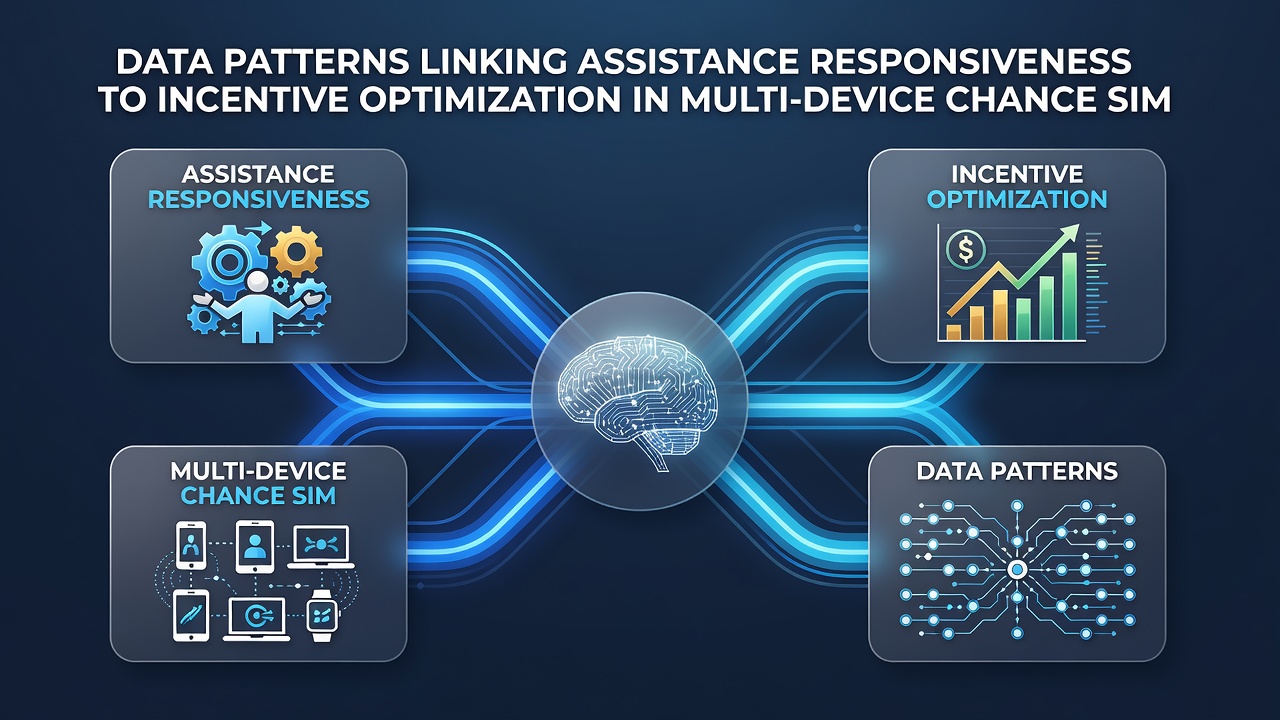
Additional layers of the data include device-transition events, and these events frequently coincide with support contacts when players encounter mismatches in displayed rewards. Reports compiled by research teams at institutions such as Nevada Gaming Control Board demonstrate that operators who prioritize sub-three-minute response benchmarks record steadier incentive uptake curves on both mobile and desktop interfaces. The same reports note that patterns persist across different regulatory jurisdictions, suggesting the linkage holds beyond single-market conditions.
Observed Patterns Across Device Ecosystems
Longitudinal tracking shows clusters of high-engagement users who receive rapid support replies and subsequently exhibit stronger responses to tailored incentives, while slower response groups display flatter redemption trends regardless of device. Those reviewing the datasets emphasize that mobile sessions generate shorter but more frequent contacts, which places greater weight on immediate assistance if incentive adjustments are to remain effective. Desktop sessions, by contrast, often involve deeper review of terms, and here the data indicates that follow-up timing influences how players apply new parameters in the next simulation round. Cross-referenced figures from Victorian Responsible Gambling Foundation reports align with these observations, confirming that response latency acts as a measurable variable in multi-device environments.
Implications for Platform Development
Simulation operators continue to integrate predictive models that flag potential support needs before they arise, and these models draw directly from the established patterns between response speed and incentive outcomes. Platform updates scheduled after the August 2026 data drops incorporated automated routing that directs device-specific queries to agents with access to real-time reward ledgers, thereby shortening intervals and preserving optimization windows. Observers note that such integrations produce measurable shifts in how incentives distribute across player segments without altering the underlying chance mechanics.
Conclusion
The documented patterns establish a clear operational relationship between assistance responsiveness and incentive optimization within multi-device chance simulations, and continued monitoring of these variables supports more precise calibration across platforms. Data collected through 2026 and beyond will likely refine these connections further as device ecosystems evolve and support systems adopt additional automation layers.