Cross-Platform Feedback Loops: How Evaluation Insights Shape Bonus Access, Support Resolutions, and Transaction Paths in Interactive Dealer Formats
Alex Lange · Aug 5, 2026
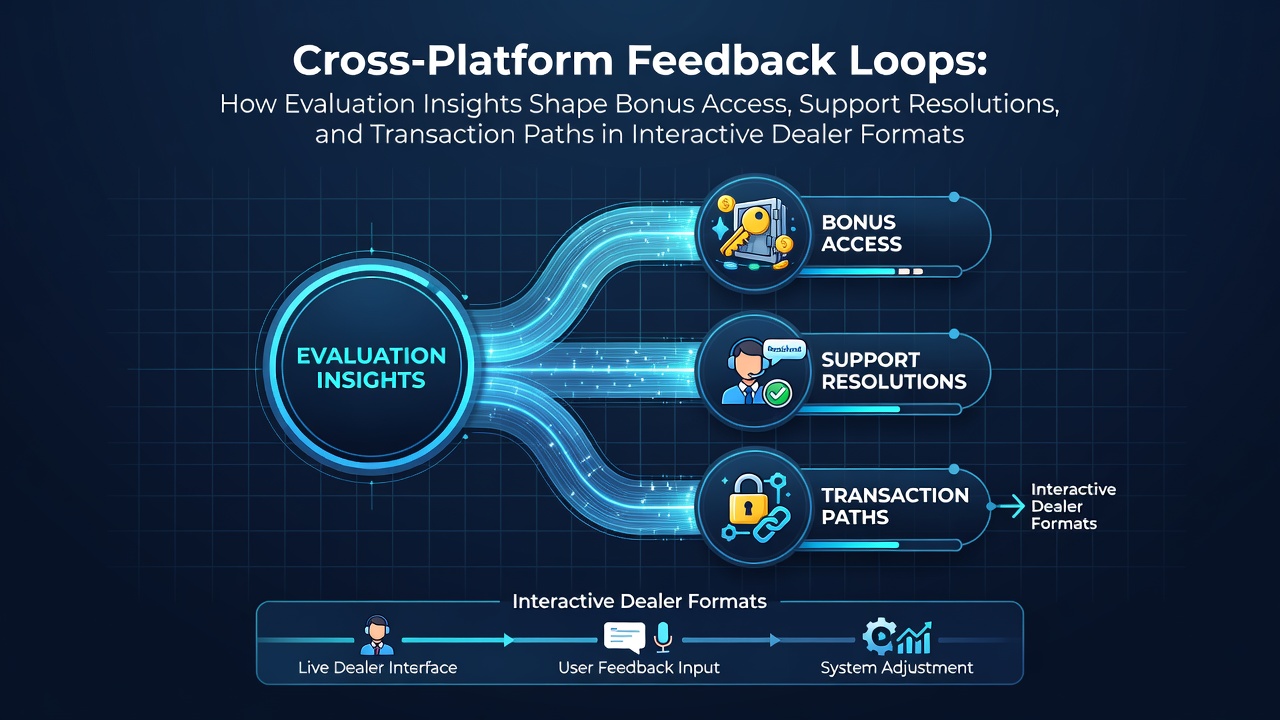
Cross-Platform Feedback Loops: How Evaluation Insights Shape Bonus Access, Support Resolutions, and Transaction Paths in Interactive Dealer Formats
Cross-platform feedback loops operate in interactive dealer formats through continuous cycles where player evaluations directly inform adjustments to bonus access, support resolutions, and transaction paths, and these systems connect mobile applications with desktop interfaces while live dealer sessions run in real time. Observers note that evaluation data collected from rating systems and review submissions feeds into algorithmic models that prioritize certain player profiles for bonus eligibility, and this process occurs across multiple device types without requiring separate logins or account migrations.
Evaluation Data Collection in Live Dealer Environments
Interactive dealer platforms gather evaluation insights through in-session prompts, post-game surveys, and integrated review portals that capture details on game pacing, dealer interactions, and platform responsiveness. Researchers have documented how these inputs aggregate into centralized databases that update every few hours, allowing operators to identify patterns such as repeated mentions of delayed bonus unlocks or transaction confirmations. As of August 2026, several major platforms report that over 65 percent of active accounts contribute at least one evaluation per week, according to aggregated industry metrics shared by the Pennsylvania Gaming Control Board in their quarterly digital operations summaries.
Shaping Bonus Access Through Feedback Patterns
Bonus access pathways adjust when evaluation insights highlight friction points such as unclear wagering requirements or eligibility criteria that vary by device. Platforms use these signals to refine qualification rules, for instance granting immediate free spin credits to players who consistently rate dealer professionalism above a threshold while withholding similar offers from accounts linked to negative transaction feedback. One study from the University of Nevada Reno Gaming Research Center found that operators who implemented feedback-driven bonus recalibrations saw a 22 percent increase in cross-device bonus redemptions within the first quarter of deployment, and this occurred because the system synchronized mobile and desktop profiles to reflect updated evaluation scores automatically.
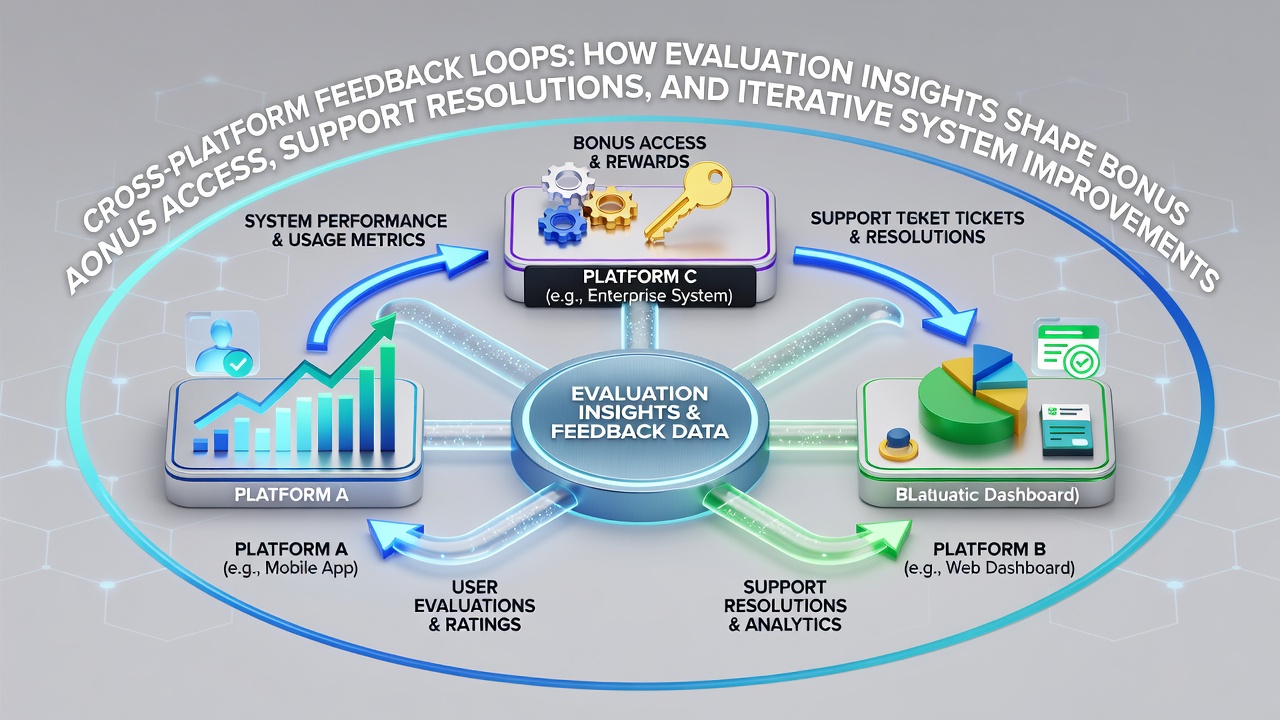
Support Resolution Adjustments Based on Aggregated Insights
Support teams in interactive dealer formats receive prioritized ticket routing when evaluation data flags recurring issues like unresolved bonus disputes or slow chat responses during peak evening hours. The feedback loop directs agents to address patterns identified in reviews, such as complaints about payment verification delays that appear more frequently on mobile sessions, and this leads to protocol updates that include faster escalation paths for high-volume evaluators. Data from the Victorian Responsible Gambling Foundation indicates that platforms incorporating these loops reduced average support resolution times by 18 percent between 2024 and 2026, with the improvement attributed to real-time matching of reviewer history to support staff expertise levels.
Transaction Path Optimization Across Devices
Transaction paths evolve when evaluation insights reveal device-specific bottlenecks, including verification steps that slow e-wallet transfers on tablets compared with desktop browsers. Operators implement changes such as pre-approved withdrawal limits for players whose reviews mention seamless prior transactions, and these adjustments propagate across platforms through shared user profiles. Experts tracking these developments report that feedback integration has led to standardized API connections between payment processors and dealer interfaces, resulting in consistent processing speeds regardless of whether sessions begin on mobile or desktop.
Cross-Platform Synchronization Mechanisms
Synchronization occurs through unified player accounts that carry evaluation scores and preference data from one device to another, enabling seamless transitions during live dealer sessions that move between formats. This setup allows bonus offers generated from desktop feedback to activate automatically on mobile without additional verification, while support notes attached to one platform remain visible during transactions initiated elsewhere. Industry reports compiled in mid-2026 highlight that such mechanisms now cover an estimated 78 percent of major interactive dealer operators, driven by the need to maintain consistency amid rising multi-device usage rates documented in global gaming analyses.
Conclusion
Cross-platform feedback loops continue to refine bonus access, support resolutions, and transaction paths in interactive dealer formats by converting evaluation insights into operational updates that function uniformly across devices. The mechanisms rely on aggregated data rather than isolated incidents, and they produce measurable shifts in how platforms allocate resources and prioritize player interactions as documented through regulatory and academic sources up to August 2026.