Aligning Aid Networks with Elite Privileges for Streamlined Transaction Flows in Handheld Live Gaming Ecosystems
Alex Lange · Aug 10, 2026
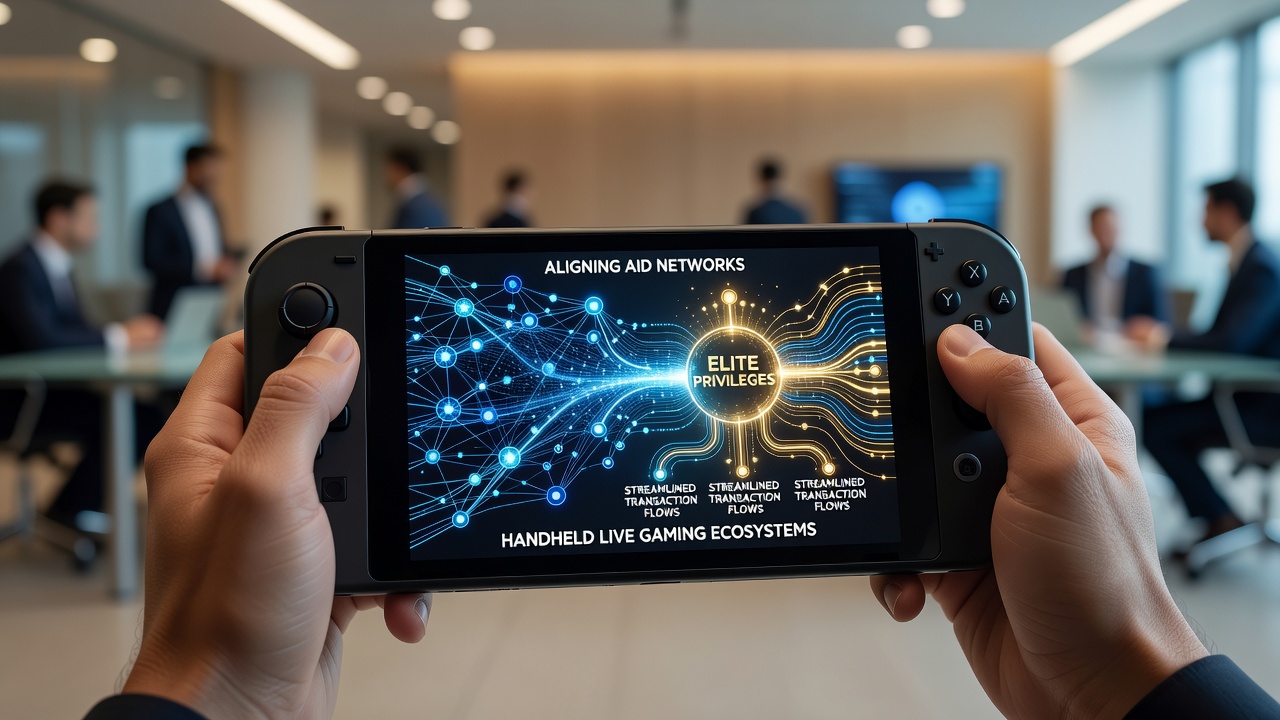
Aligning Aid Networks with Elite Privileges for Streamlined Transaction Flows in Handheld Live Gaming Ecosystems
Core Structures in Mobile Live Gaming Operations
Handheld live gaming ecosystems operate through interconnected platforms that combine real-time dealer interactions with mobile interfaces, and data from industry reports indicate these systems process thousands of transactions daily while maintaining regulatory compliance across multiple jurisdictions. Observers note that aid networks, which encompass customer support teams and technical assistance channels, function alongside elite privilege structures such as VIP tiers to reduce processing delays during high-volume periods. Research conducted by the International Center for Gaming Regulation at the University of Nevada shows that platforms integrating these elements achieve measurable improvements in transaction completion rates, particularly when support protocols align directly with loyalty program parameters.
August 2026 brought updates to several regional frameworks that encouraged operators to refine these alignments, and figures from the Canadian Centre for Gaming Research reveal that mobile live dealer sessions increased by notable margins in markets adopting synchronized support and privilege models. Those who examine transaction logs find that VIP participants often access expedited verification steps through dedicated aid channels, which in turn connects to payment gateways designed for instant credits and withdrawals on handheld devices.
Mechanisms Linking Support Systems and Privilege Tiers
Support networks coordinate with elite status programs through shared databases that flag priority users and route their queries to specialized teams equipped with direct access to transaction ledgers. Studies from the Australian Gambling Research Centre demonstrate that such coordination cuts average resolution times for payment issues by significant percentages when compared against non-aligned operations. Live gaming sessions on mobile devices generate continuous data streams, and aid personnel use these streams to anticipate needs for players holding higher privilege levels, allowing adjustments to flow rates without interrupting ongoing dealer interactions.
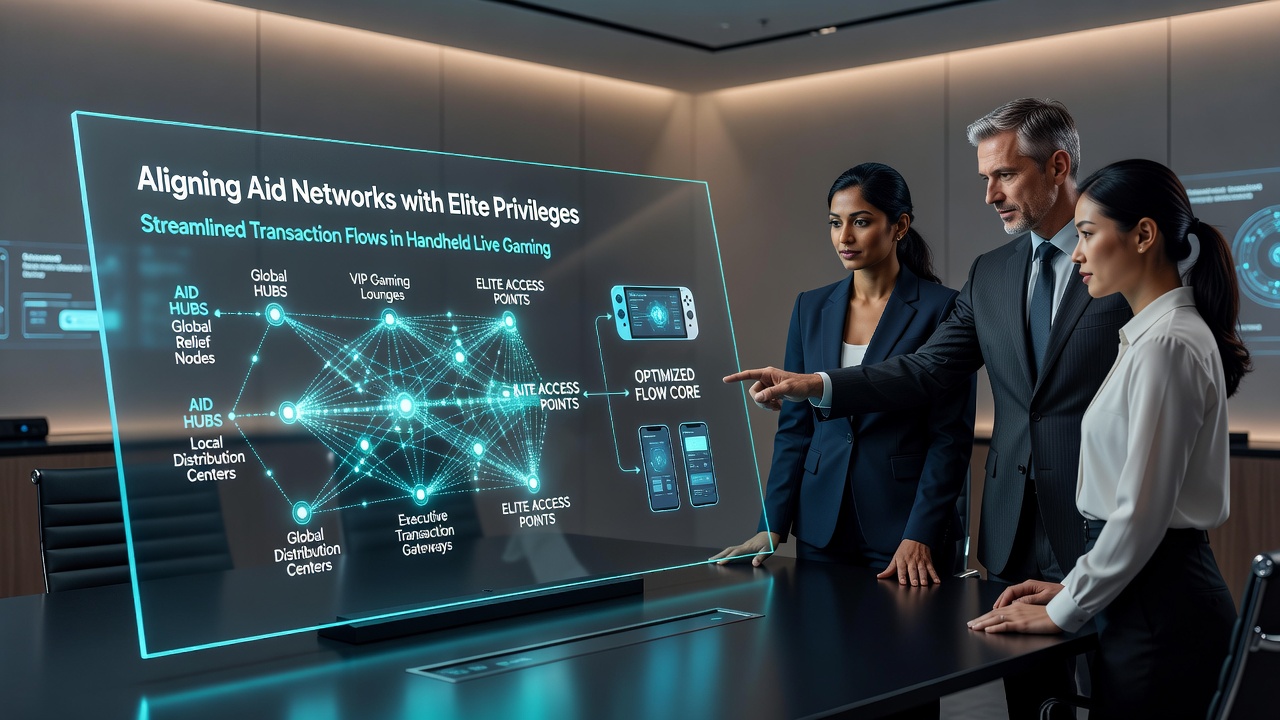
Platform architectures incorporate API connections between loyalty management software and customer service dashboards, and this setup enables real-time status verification during live play. Data compiled by the European Gaming and Betting Association indicates that operators employing these connections report fewer abandoned sessions tied to payment friction, especially in regions where handheld devices dominate user access. Privilege tiers grant users varying levels of direct line access to aid specialists who hold authority to override standard verification queues, and this authority extends to confirming e-wallet linkages or bank transfers within compressed timeframes.
Transaction Efficiency in Live Dealer Environments
Live dealer games on handheld platforms require uninterrupted connectivity, and aligned aid networks ensure that elite users encounter minimal interruptions when initiating or confirming transactions mid-session. Reports issued by the Nevada Gaming Control Board highlight cases where synchronized systems reduced dispute resolution windows from several hours to under thirty minutes for verified VIP accounts. Mobile ecosystems track session metrics alongside transaction histories, and support staff cross-reference these metrics to apply privilege-based adjustments that maintain flow consistency during peak evening hours or promotional events.
Industry organizations such as the World Lottery Association have documented instances where integrated networks supported higher throughput in live gaming environments, particularly when aid protocols incorporated automated alerts triggered by VIP activity patterns. Those reviewing operational metrics observe that streamlined flows depend on clear hierarchies within support teams, where higher-tier privileges receive pre-authorized pathways to payment processors. August 2026 saw several operators publish internal benchmarks confirming that these hierarchies correlated with elevated user retention figures across mobile live titles.
Regulatory and Technical Considerations
Regulatory bodies in various regions require transparent documentation of how aid networks interface with privilege structures, and compliance frameworks emphasize audit trails that record every adjustment made during transaction handling. Academic analyses from the Centre for Gambling Studies at the University of Salford point to the necessity of secure data partitioning to prevent unauthorized access while still permitting rapid service delivery for elite users. Handheld device constraints, including variable network conditions, add layers of complexity that aligned systems address through redundant verification routes tied to VIP status.
Payment service providers collaborate with gaming platforms to embed these alignments at the infrastructure level, and evidence from transaction volume studies shows measurable reductions in latency when support privileges mirror loyalty classifications. Operators maintain logs that detail how aid interventions influence overall flow efficiency, and these logs serve both internal optimization efforts and external review processes mandated by licensing authorities.
Conclusion
Alignments between aid networks and elite privileges continue to shape transaction dynamics within handheld live gaming ecosystems, with available data underscoring their role in supporting consistent operational performance. Reports from multiple research institutions and regulatory sources illustrate patterns where coordinated systems contribute to reduced friction across mobile platforms, and ongoing developments suggest further refinements in these areas as device capabilities and regulatory expectations evolve. Those monitoring sector trends note that the integration of support functions with privilege frameworks remains a central element in maintaining efficient flows for live dealer activities on handheld devices.